
Elbow Pain

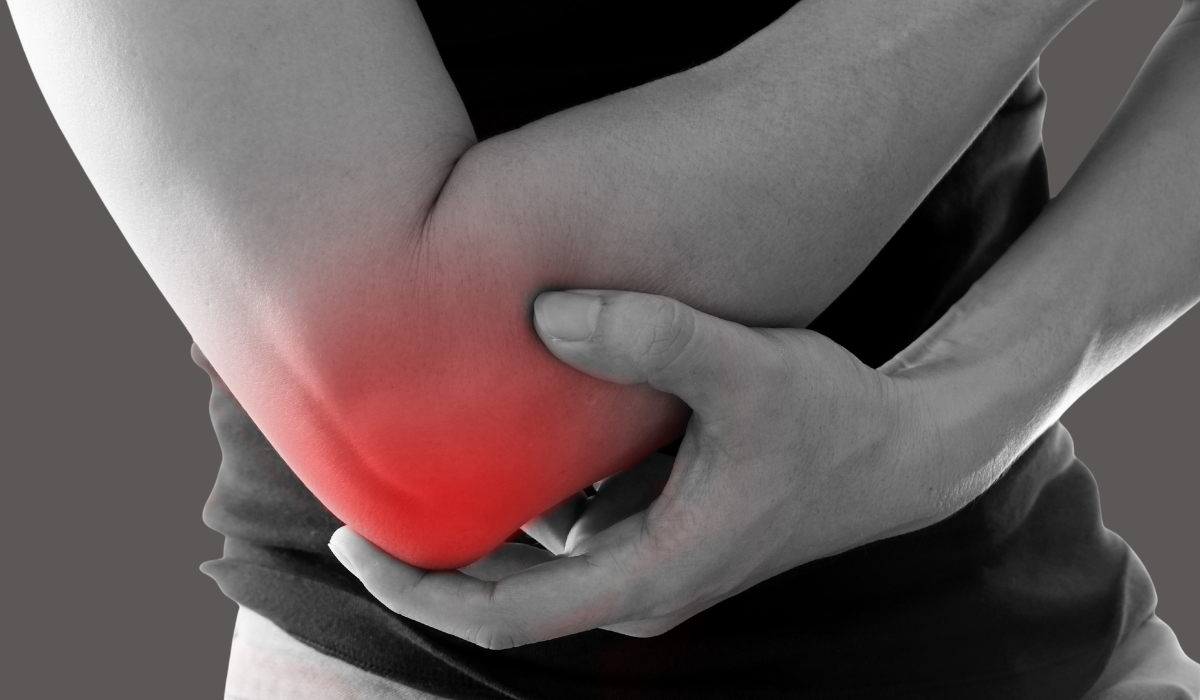
Elbow Pain
Elbow pain can limit daily activities like lifting, gripping, or even writing. It often develops due to repetitive use, overexertion, sports injuries, or joint degeneration.
The elbow joint is complex, involving muscles, tendons, ligaments, and bones working together. Pain in this region may be localized or radiating, acute or chronic, and could indicate inflammation, nerve irritation, or wear-and-tear of the joint structures. Early diagnosis and proper treatment are key to restoring strength and mobility.
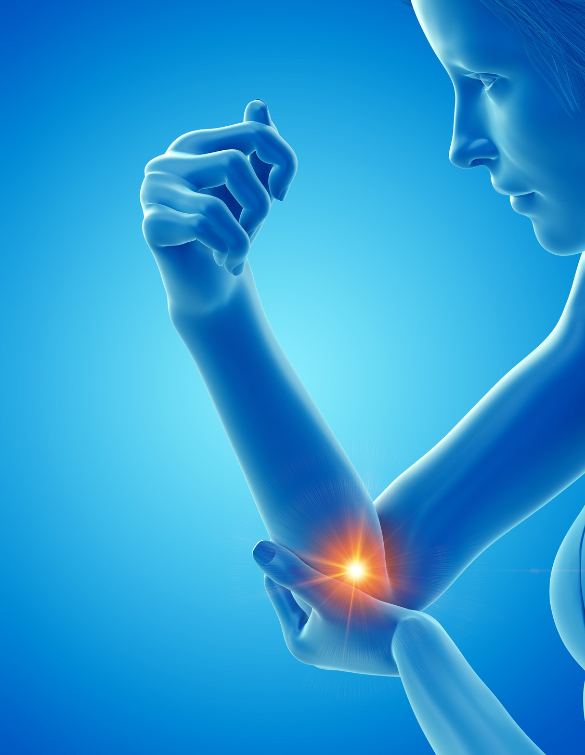
Major Causes of Elbow Pain:
Elbow Pain can significantly disrupt daily life, affecting everything from mobility to sleep quality.
-
Tennis Elbow
Caused by repetitive strain on the tendons outside the elbow, often from overuse or gripping activities.
-
Golfer’s Elbow
Similar to tennis elbow but affects the inner side of the elbow, commonly due to repeated wrist flexion or lifting.
-
Elbow Bursitis
Inflammation of the bursa (fluid-filled sac) over the elbow joint, often due to trauma or pressure.
Services Offered
We provide expert care for elbow-related conditions using both non-surgical and surgical approaches. Our first step is a detailed consultation, followed by physical examination and diagnostic imaging like X-rays, MRIs, or nerve studies to identify the root cause of pain.
Conservative treatments include medication, bracing, physiotherapy, and ultrasound therapy. For persistent pain, we offer corticosteroid injections, PRP therapy, and guided rehabilitation programs. Our surgical services cover elbow arthroscopy, ligament reconstruction, tendon repair, bursa removal, and nerve decompression surgery, all performed using minimally invasive techniques where possible.
Frequently Asked Questions
To help you better understand your condition and treatment options, we’ve answered some of the most commonly asked questions below.
Tennis elbow affects the outer elbow, while golfer’s elbow causes pain on the inner side. Both are due to repetitive stress on tendons.
Diagnosis involves clinical examination, patient history, and imaging tests like X-ray, ultrasound, or MRI to check bones, joints, and soft tissues.
Yes. Many cases respond well to rest, medication, therapy, and lifestyle modifications. Surgery is considered if conservative methods fail.
Recovery varies by procedure, but most patients return to normal activity in 6 to 12 weeks with physiotherapy and follow-up care.