
Total Hip Replacement

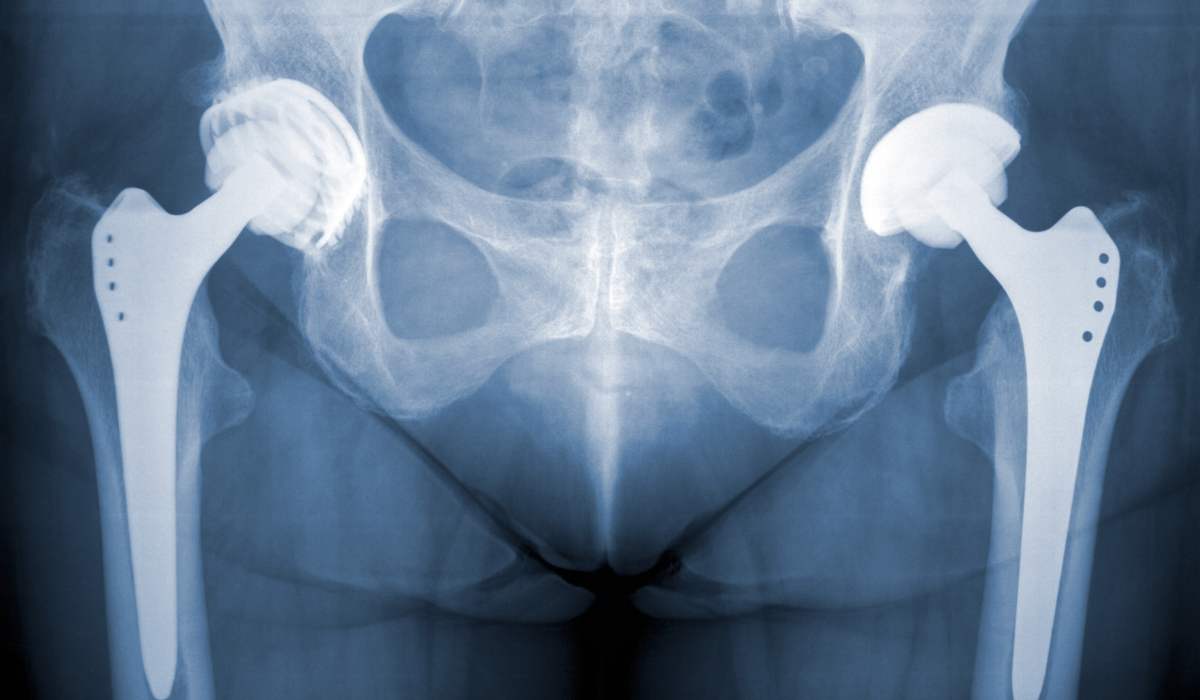
Total Hip Replacement
Total hip replacement (THR), also called hip arthroplasty, is a surgical procedure designed to replace a damaged or worn-out hip joint with artificial components. This treatment is commonly performed in patients suffering from severe osteoarthritis, rheumatoid arthritis, hip fractures, avascular necrosis, or joint deformities that limit mobility and cause persistent pain. When medications, injections, and physical therapy fail to provide relief, hip replacement offers a proven solution for regaining quality of life.
In this surgery, the damaged ball-and-socket joint is replaced with a prosthetic implant, typically made of metal, ceramic, or high-grade plastic. The artificial joint mimics natural motion, allowing for pain-free walking, climbing, and daily tasks. Advances in surgical techniques—especially minimally invasive and muscle-sparing approaches—have improved recovery times, reduced scarring, and minimized blood loss. Most patients can walk with assistance within a day after surgery and begin structured physiotherapy soon after.
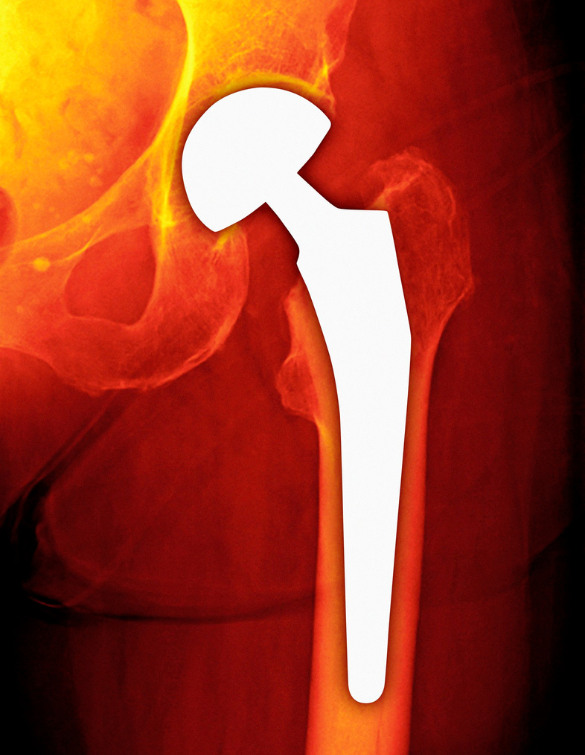
Benefits of Total Hip Replacement:
Advanced surgical care to restore mobility and eliminate chronic hip pain.
-
Long-Term Pain Relief
Replaces damaged joint surfaces, eliminating the source of persistent pain and stiffness.
-
Improved Mobility & Daily Function
Restores natural hip motion, allowing patients to walk, bend, and perform everyday tasks with ease.
-
Enhanced Quality of Life
Patients regain independence, participate in physical activities, and enjoy an active lifestyle.
Services Offered
We provide comprehensive hip joint care, from accurate diagnosis to full rehabilitation after surgery. Our orthopedic experts evaluate each patient using detailed medical history, imaging like X-rays or MRI, and physical examination to determine the severity of joint damage. If surgery is indicated, we guide patients through pre-surgical education, implant selection, and preparation steps to ensure optimal results.
During surgery, our surgeons use modern minimally invasive or posterior approaches to replace the hip joint with precision. The procedure is performed under spinal or general anesthesia in a sterile environment. We utilize biocompatible implants that match the patient’s anatomy, ensuring stability, comfort, and longevity. Special care is taken to minimize tissue trauma and reduce the risk of complications.
Frequently Asked Questions
To help you better understand your condition and treatment options, we’ve answered some of the most commonly asked questions below.
If hip pain severely limits daily activities and doesn’t improve with medications or therapy, surgery may be necessary.
Most modern implants last 15–20 years or more with proper care and healthy lifestyle habits.
Yes, most patients begin walking with support within a day or two after surgery.
Like all surgeries, there are minor risks (infection, blood clots), but they are rare and preventable with expert care.