
Shoulder Pain

Shoulder Pain
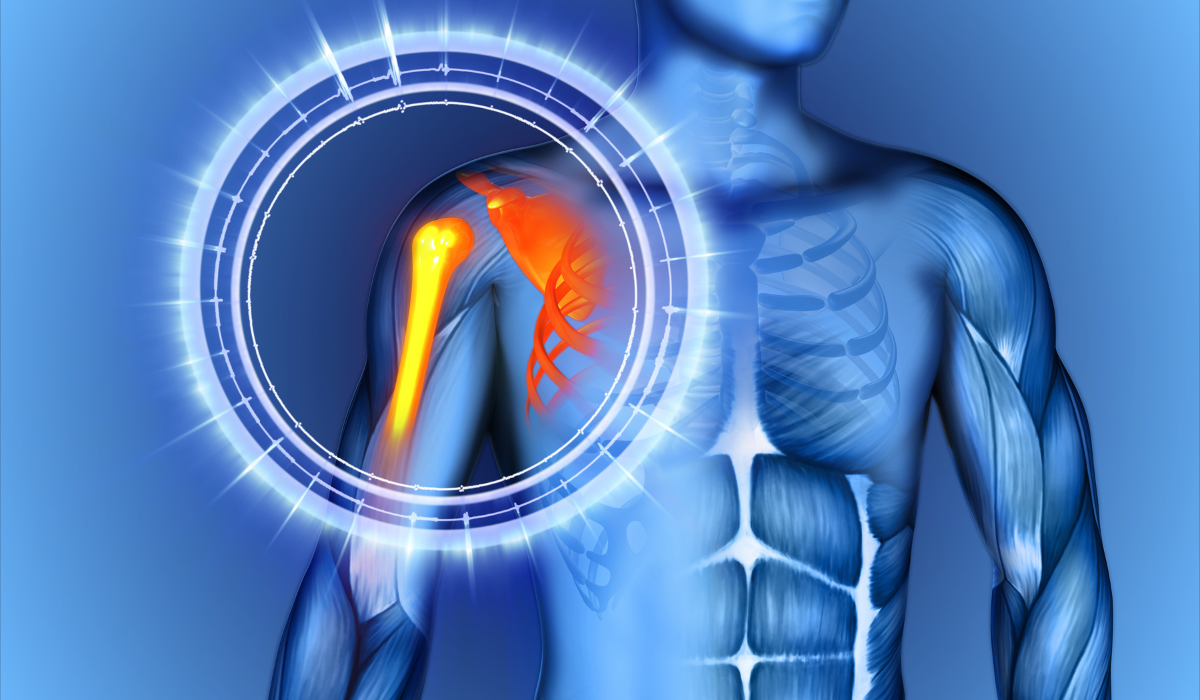
Shoulder pain is a common problem that can affect anyone—from athletes and manual workers to people leading sedentary lifestyles. The shoulder joint is one of the most mobile joints in the body, making it prone to injuries and wear.
Pain in this area may be sharp, dull, constant, or occur only with certain movements. Whether it's due to overuse, trauma, or underlying conditions, early diagnosis is essential to prevent long-term damage and regain full mobility.
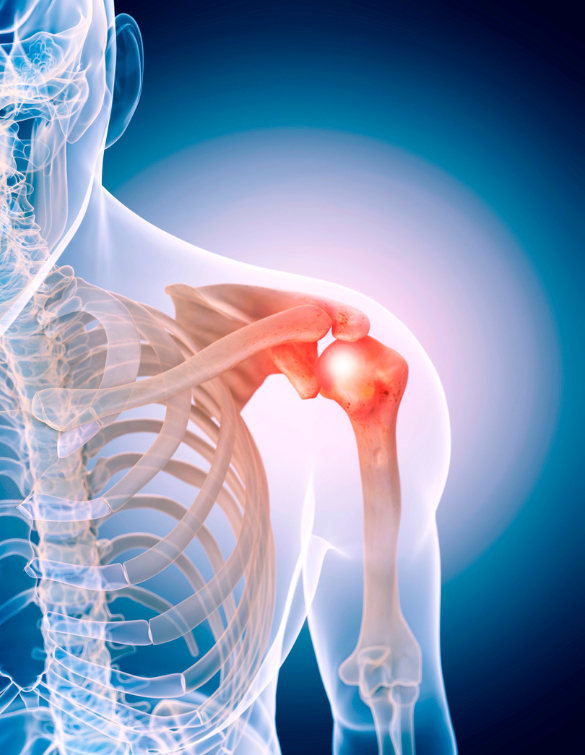
Major Causes of Shoulder Pain:
Shoulder Pain can significantly disrupt daily life, affecting everything from mobility to sleep quality.
-
Rotator Cuff Injuries
Tears or inflammation in the shoulder's rotator cuff muscles or tendons can cause weakness and pain, especially during overhead movements.
-
Frozen Shoulder
Stiffness and pain due to thickening of the shoulder capsule, often developing gradually and limiting range of motion.
-
Dislocation or Instability
Shoulder dislocation or repeated subluxation can result in ongoing pain, weakness, and a sense of looseness in the joint.
Services Offered
We provide comprehensive care for all types of shoulder conditions. Our approach starts with a detailed physical examination and diagnostic imaging to pinpoint the root cause of pain. Each patient is offered a customized treatment plan based on their condition, lifestyle, and goals.
Our services include conservative treatments such as medication, physical therapy, ultrasound therapy, and posture correction. For more complex or chronic cases, we offer advanced procedures including shoulder arthroscopy, rotator cuff repair, labral reconstruction, and joint replacement surgeries. We also specialize in treating frozen shoulder, sports-related injuries, and dislocations using minimally invasive techniques.
Frequently Asked Questions
To help you better understand your condition and treatment options, we’ve answered some of the most commonly asked questions below.
If shoulder pain lasts more than a few days, affects your daily activities, or occurs after an injury, it’s best to consult a specialist.
Not always. Small or partial tears can often be treated with rest, physiotherapy, and medications. Surgery is considered for complete or non-healing tears.
Frozen shoulder may result from injury, surgery, or prolonged immobility. It’s more common in people with diabetes or thyroid conditions.
Recovery depends on the procedure, but most patients see significant improvement within 3 to 6 months with proper rehabilitation.