
Golfer Elbow Surgery

Golfer Elbow Surgery
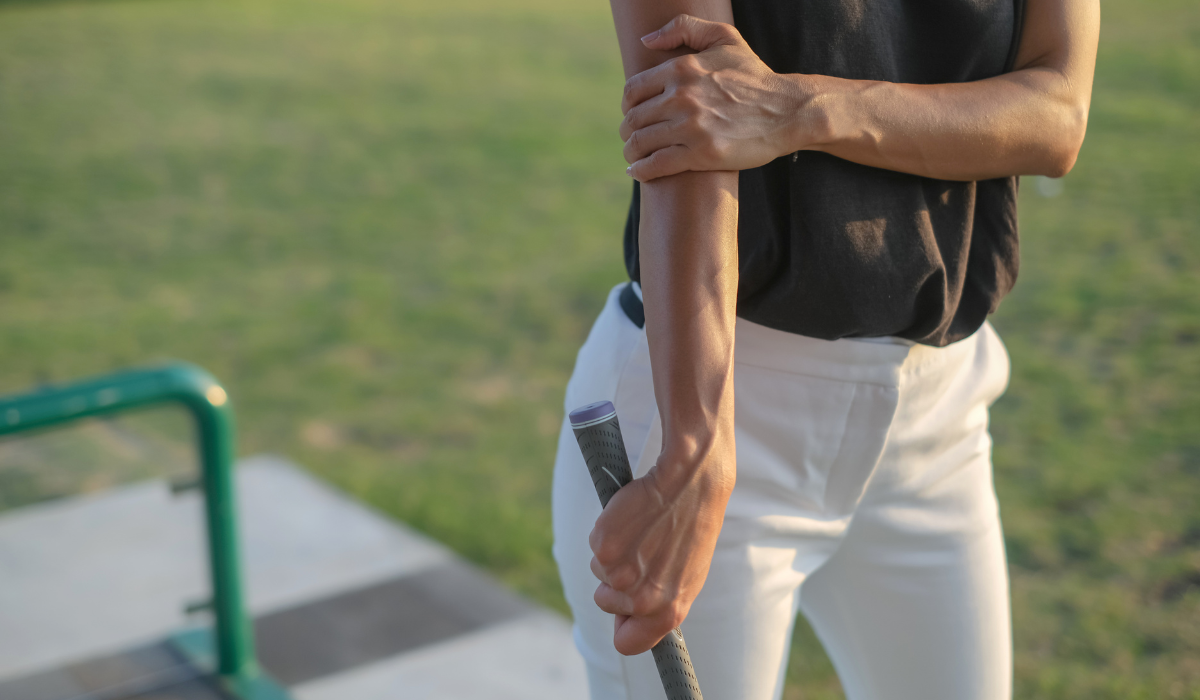
Golfer’s elbow (medial epicondylitis) is a painful condition caused by overuse or repetitive stress that leads to inflammation or tearing of the tendons on the inside of the elbow. These tendons connect the forearm muscles to the bony bump (medial epicondyle) on the inner elbow and help control wrist and finger movements. When conservative treatments such as rest, physical therapy, medications, or injections fail to relieve symptoms over 6–12 months, surgical intervention may be required.
Golfer's elbow surgery involves removing the damaged tendon tissue and repairing or reattaching the healthy portion to restore normal function, relieve pain, and prevent long-term elbow dysfunction.
Benefits of Golfer Elbow Surgery:
-
Pain Relief and Functional Recovery
Eliminates chronic pain and restores elbow strength and motion.
-
Restoration of Grip Strength
Improves hand function for daily tasks and sports activities.
-
Minimally Invasive Options
Small incisions and advanced tools reduce tissue trauma and healing time.
-
Prevention of Long-Term Complications
Stops progression to tendon rupture or permanent damage.
Services Offered
We provide comprehensive care for individuals suffering from chronic or severe cases of golfer’s elbow that do not respond to conservative treatments. Our approach begins with a detailed clinical evaluation, including a thorough physical examination and diagnostic imaging such as MRI or ultrasound to assess the extent of tendon damage and rule out associated nerve involvement. Based on these findings, we develop a customized treatment plan tailored to the patient’s age, activity level, and functional needs.
When surgery is indicated, we perform open or minimally invasive tendon repair procedures, depending on the severity of the condition. In most cases, an open surgical approach is used to access the damaged area, carefully remove the degenerated tissue, and securely reattach the healthy portion of the tendon to the bone using high-strength sutures or bone anchors. For selected cases, we also offer arthroscopic-assisted techniques, which involve smaller incisions and quicker recovery times.
Frequently Asked Questions
To help you better understand your condition and treatment options, we’ve answered some of the most commonly asked questions below.
If you’ve had symptoms for more than 6–12 months despite rest, medications, and therapy, and daily function is affected, surgery may be advised.
Usually regional anesthesia (arm block) or general anesthesia depending on the case and patient preference.
Most patients return to full activity in 3–6 months, depending on job demands and rehab progress.
Yes, with proper rehabilitation, most people regain full strength, mobility, and grip power.