
Hip Labral Repair

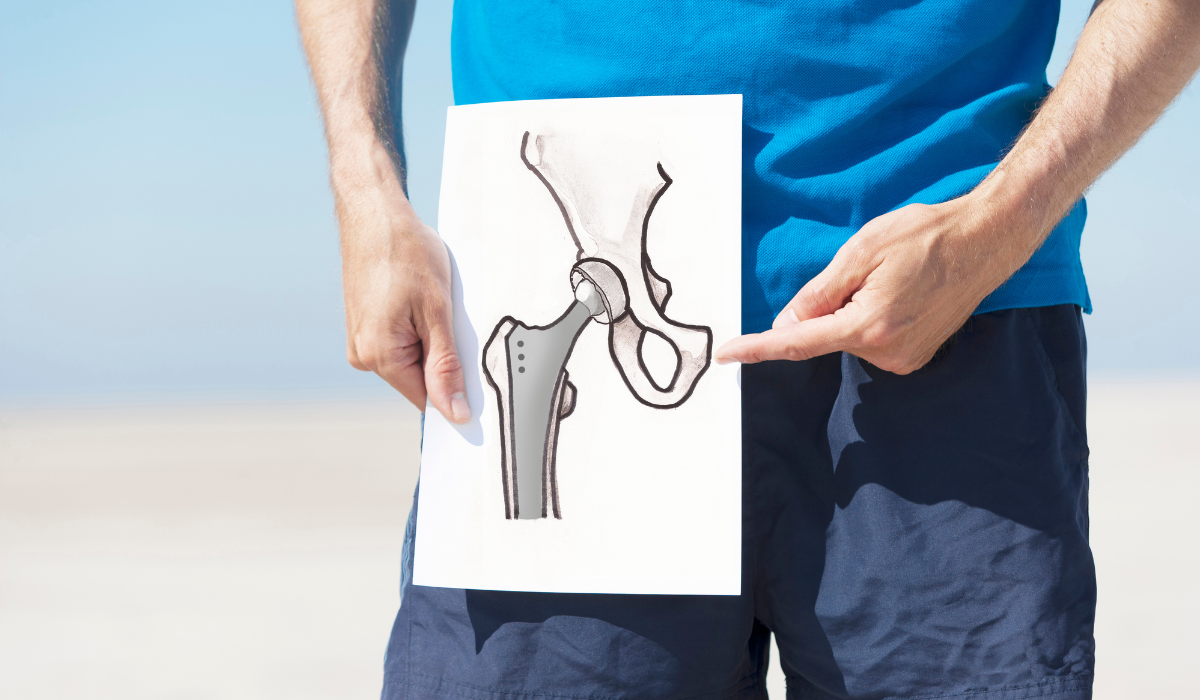
Hip Labral Repair
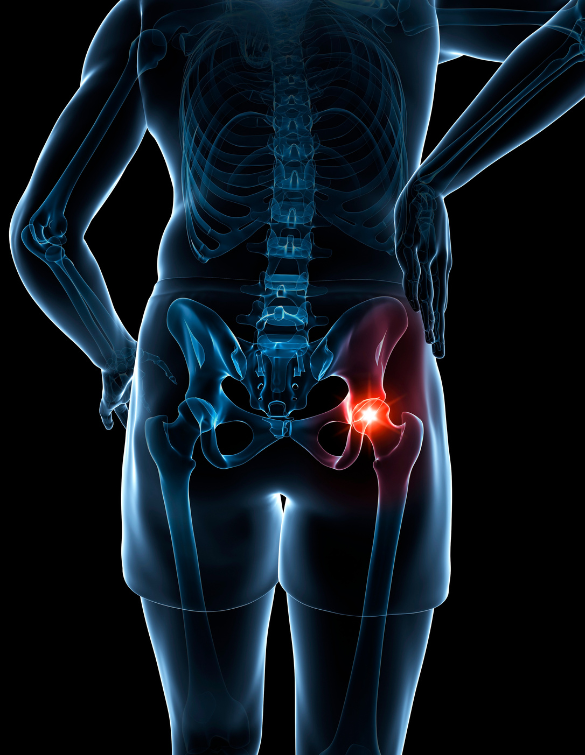
The hip labrum is a ring of cartilage that surrounds the edge of the hip socket, acting as a seal and cushion to help stabilize the joint. Injuries to this structure—called labral tears—are often caused by sports injuries, hip impingement, structural abnormalities, or repetitive motion. Patients with a torn labrum often experience sharp groin pain, clicking sensations, stiffness, and limited mobility in the hip.
Hip labral repair involves minimally invasive arthroscopic surgery to either remove damaged tissue (labral debridement) or reattach the torn labrum to the socket using small anchors and sutures (labral refixation). This procedure is especially effective when conservative treatments like rest, physical therapy, or injections have failed to relieve symptoms. The goal is to restore the labrum’s function, reduce pain, and prevent further joint degeneration, which could lead to early arthritis if left untreated.
Benefits of Hip Labral Repair:
Minimally invasive treatment that targets the root of hip discomfort and restores joint stability.
-
Preserves Natural Hip Structure
Repairs and restores the patient’s original anatomy, delaying or preventing joint replacement.
-
Improved Hip Function
Restores stability and movement, allowing a return to physical activity and sports.
-
Minimally Invasive Technique
Arthroscopic surgery uses small incisions, causing less pain, minimal blood loss, and faster healing.
Services Offered
We provide expert diagnosis and comprehensive treatment for labral tears using the latest arthroscopic techniques. The process begins with detailed clinical evaluation, imaging studies like MRI or MR arthrograms to confirm the labral tear, and customized treatment planning based on your lifestyle and activity goals.
Our orthopedic surgeons perform hip labral repair or reconstruction through small incisions using an arthroscope. In most cases, torn labral tissue is sutured back to the bone using tiny anchors. In cases where the labrum is too damaged to repair, a labral reconstruction may be performed using a graft. Throughout the procedure, any contributing structural issues, such as femoroacetabular impingement (FAI), are also corrected to ensure long-term success.
Frequently Asked Questions
To help you better understand your condition and treatment options, we’ve answered some of the most commonly asked questions below.
Common symptoms include hip or groin pain, clicking or locking, stiffness, and reduced range of motion.
Whenever possible, repair is preferred as it preserves the natural structure and improves long-term joint health.
Most patients walk with assistance in 1–2 weeks and return to full activity within 4–6 months.
Yes, with proper rehabilitation, many athletes return to their pre-injury level of performance.