
Knee & Lower Leg pain

Knee & Lower Leg pain
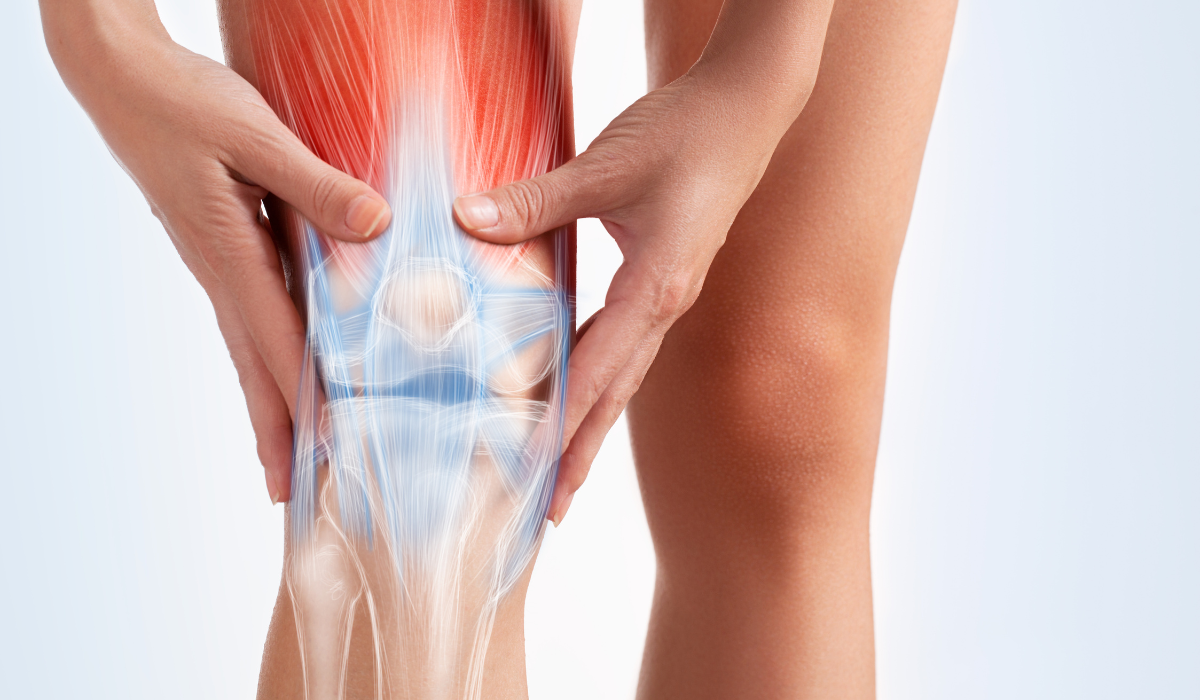
Knee and lower leg pain can affect people of all ages, from active athletes to older adults. This discomfort may arise suddenly due to injury or gradually from overuse or degenerative changes.
Whether you're experiencing sharp pain, swelling, stiffness, or difficulty walking, it's important to identify the root cause early. The knee is a complex joint supported by bones, cartilage, ligaments, and muscles—all of which can be sources of pain. Proper diagnosis and treatment are key to restoring movement and preventing long-term damage.
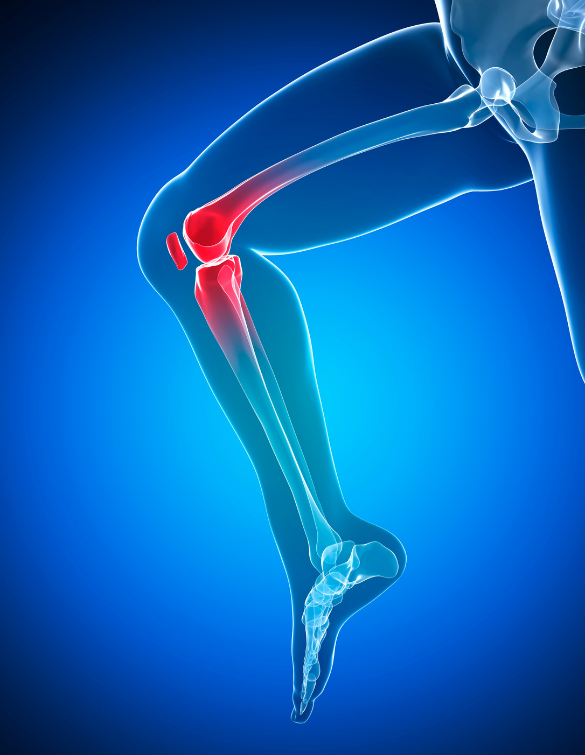
Major Causes of Knee & Lower Leg pain:
Knee & Lower Leg pain can significantly disrupt daily life, affecting everything from mobility to sleep quality.
-
Ligament Injuries
Sports injuries or sudden twisting motions can lead to torn ligaments, causing instability, pain, and swelling.
-
Meniscus Tear
This cartilage cushion inside the knee can tear from twisting or degeneration, leading to locking, popping, or pain during movement.
-
Osteoarthritis & Cartilage Wear
Age-related wear and tear causes the protective cartilage to erode, resulting in joint stiffness, pain, and limited mobility.
Services Offered
We provide expert care for all types of knee and lower leg pain. Our services begin with detailed clinical evaluations and advanced diagnostics such as X-rays, MRI, or ultrasound to pinpoint the exact cause of discomfort. We manage everything from acute sports injuries to chronic joint conditions with a personalized and evidence-based approach.
Non-surgical treatments include joint injections, bracing, physiotherapy, and muscle-strengthening programs designed to reduce inflammation and improve mobility. We also offer minimally invasive procedures such as arthroscopic ligament repair, cartilage restoration, and meniscus surgery for more complex cases. Rehabilitation and gait correction therapies are provided post-treatment to support full recovery and prevent re-injury.
Frequently Asked Questions
To help you better understand your condition and treatment options, we’ve answered some of the most commonly asked questions below.
Knee pain can occur without a clear injury due to arthritis, overuse, muscle imbalances, or poor biomechanics. A thorough assessment can help detect underlying issues.
Not always. Minor tears may heal with rest, physiotherapy, and bracing. Surgery is considered if the injury causes instability or does not improve with conservative care.
Pain can sometimes radiate from the hip or spine into the leg. Diagnostic tests help differentiate the true source of the problem and guide the right treatment.
Treatment depends on severity and includes weight management, medications, joint injections, physical therapy, and in some cases, partial or total knee replacement.