
Shoulder Joint Replacement

Shoulder Joint Replacement
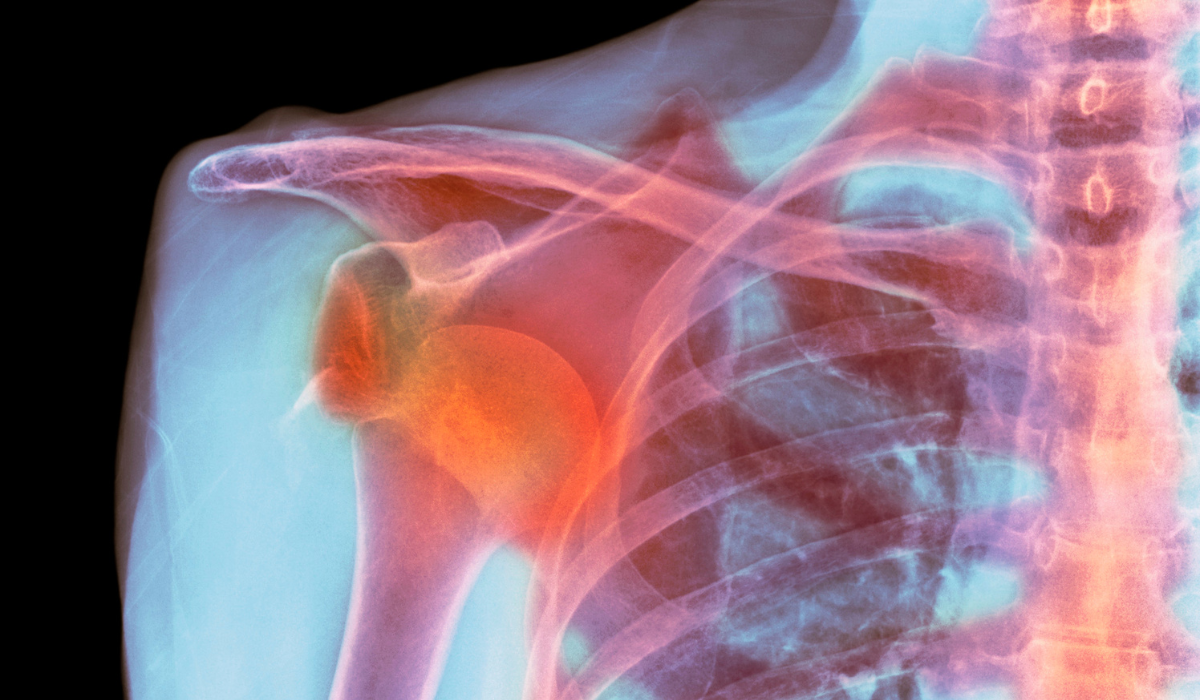
Shoulder joint replacement, also known as shoulder arthroplasty, is a surgical procedure in which damaged parts of the shoulder joint are replaced with artificial components to restore function and relieve pain. It is primarily recommended for patients suffering from severe shoulder arthritis, complex fractures, or long-standing rotator cuff injuries that have led to joint deterioration. The procedure can be total (replacing both the ball and socket), partial (replacing only the humeral head), or reverse (used when rotator cuff muscles are non-functional).
The goal of this surgery is to reduce chronic pain, improve range of motion, and allow patients to return to their daily activities with greater ease. Over time, conditions like osteoarthritis, rheumatoid arthritis, or post-traumatic arthritis can cause the cartilage in the shoulder to wear away, leading to stiffness, grinding, and pain. When medications, injections, and physiotherapy no longer help, joint replacement becomes a reliable and lasting solution.
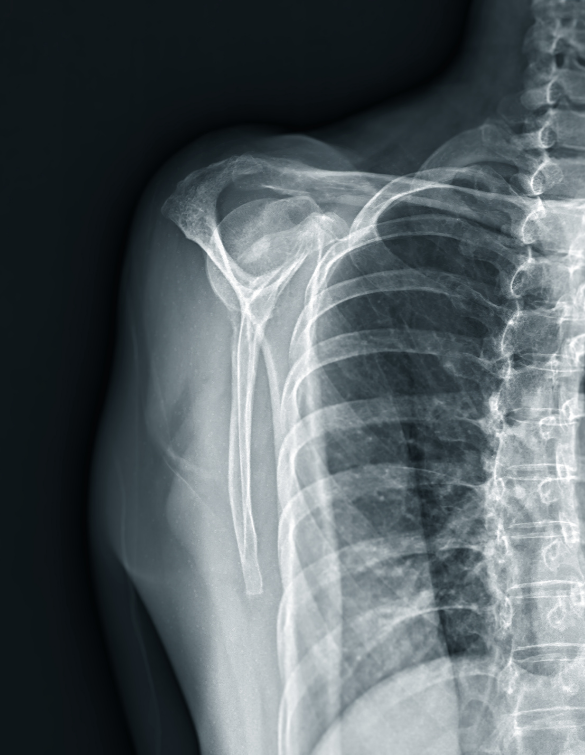
Benefits of Shoulder Joint Replacement:
Enhancing quality of life through advanced orthopedic care.
-
Long-Lasting Pain Relief
Replaces worn-out joint surfaces to eliminate chronic shoulder pain caused by arthritis or injury.
-
Improved Range of Motion
Restores smooth, stable movement, allowing patients to lift their arms and perform daily tasks comfortably.
-
Better Sleep and Comfort
Relieves nighttime shoulder pain, helping patients sleep better without constant discomfort.
Services Offered
Our center provides comprehensive shoulder replacement services, starting with advanced diagnostics such as digital X-rays, CT scans, and MRI to evaluate joint damage and determine the appropriate type of replacement. We offer total shoulder replacement for arthritis, partial shoulder replacement for isolated humeral head damage, and reverse shoulder replacement for patients with irreparable rotator cuff tears.
Surgery is performed using modern, minimally invasive techniques where possible, reducing blood loss and promoting faster healing. We use high-quality, biomechanically-tested implants tailored to each patient’s anatomy. Intraoperative precision ensures that the artificial joint is positioned correctly for maximum durability and function.
Frequently Asked Questions
To help you better understand your condition and treatment options, we’ve answered some of the most commonly asked questions below.
Patients with severe arthritis, complex fractures, or shoulder joint damage unresponsive to other treatments are ideal candidates.
There are three: total shoulder replacement, partial (hemi) replacement, and reverse shoulder replacement.
Most patients recover in 3–6 months, depending on the type of surgery and their rehab progress.
Many patients regain near-normal function, especially with dedicated physiotherapy and post-operative care.