
Hip Arthroscopy

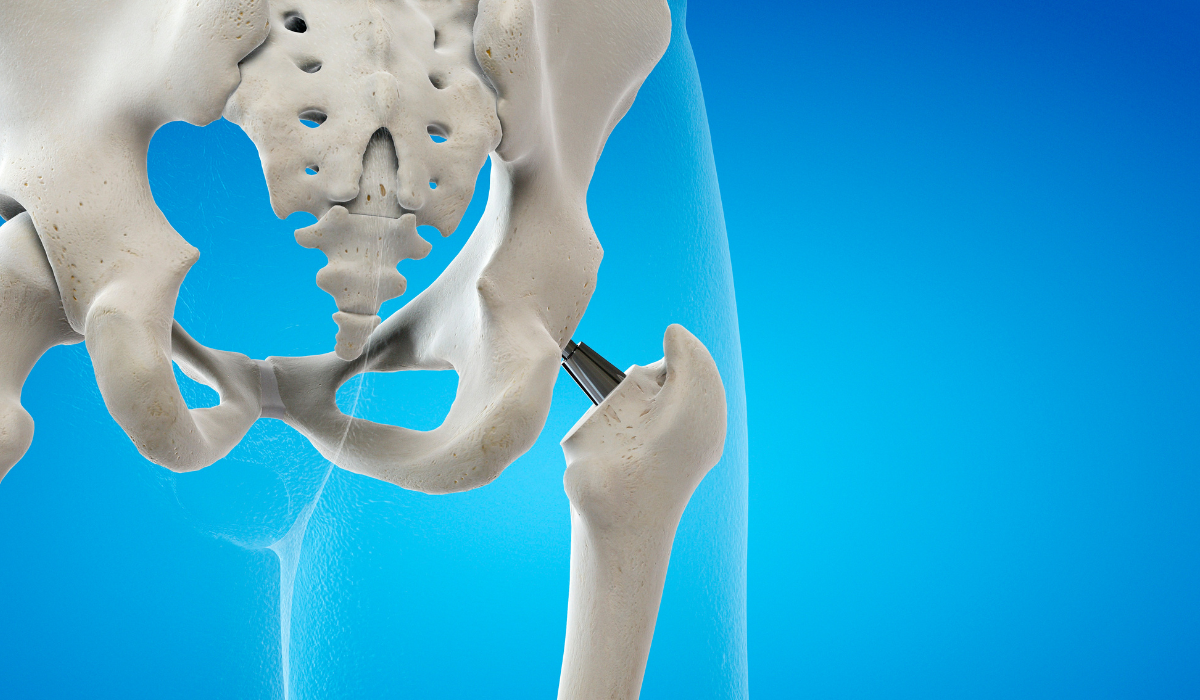
Hip Arthroscopy
Hip arthroscopy is a modern, minimally invasive procedure used to diagnose and treat a range of hip joint problems. This technique allows orthopedic surgeons to view the inside of the hip joint with a tiny camera inserted through small incisions. It is especially effective for conditions like labral tears, femoroacetabular impingement (FAI), hip joint infections, and cartilage damage. By avoiding open surgery, patients benefit from faster recovery, reduced pain, and fewer complications.
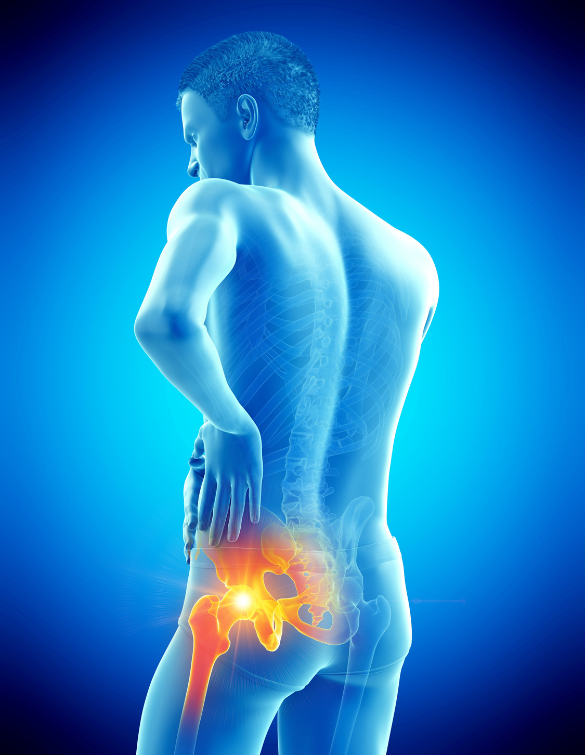
The hip joint is deep and complex, and issues here can often go undetected or misdiagnosed. Many patients suffer from groin pain, stiffness, or reduced range of motion without clear X-ray findings. Hip arthroscopy helps in both identifying the root cause and treating it immediately—such as trimming bone spurs, removing inflamed tissue, or repairing cartilage. This leads to significant pain relief and restoration of joint function.
Benefits of Hip Arthroscopy:
An advanced solution for treating complex hip issues with precision and care.
-
Minimally Invasive Technique
Smaller incisions lead to less scarring, reduced pain, and faster healing.
-
Accurate Diagnosis & Targeted Treatment
Visual inspection allows real-time correction of joint problems like labral tears or impingement.
-
Preserves Natural Hip Structure
Arthroscopy avoids major disruption of muscles and tissues, maintaining joint integrity.
Services Offered
Our orthopedic team specializes in complete care before, during, and after hip arthroscopy. Every patient begins with a detailed consultation, physical examination, and diagnostic imaging such as MRI arthrograms or CT scans to assess the joint structure and identify the problem. If conservative management fails, arthroscopic intervention is recommended.
During the procedure, the patient is placed under regional or general anesthesia. Through 2–3 small incisions, a fiber-optic camera (arthroscope) and micro-instruments are inserted into the hip joint. The surgeon performs necessary repairs, which may include trimming bone overgrowth, repairing a torn labrum, smoothing cartilage, or removing loose bodies. The entire surgery typically lasts 1 to 2 hours.
Frequently Asked Questions
To help you better understand your condition and treatment options, we’ve answered some of the most commonly asked questions below.
Labral tears, femoroacetabular impingement (FAI), cartilage damage, loose bodies, synovitis, and early arthritis.
Mild discomfort is common post-surgery, but pain is usually well controlled with medications and subsides within a few days.
Most people resume daily tasks in 2–3 weeks and can return to full activity or sports in 2–3 months depending on the case.
Yes, typically for 1–2 weeks to allow the joint to heal and prevent overloading.