
Labrum Reconstruction


Labrum Reconstruction
Labrum reconstruction is a specialized procedure designed to repair or replace severely damaged labral tissue in the shoulder joint. The labrum is a ring of cartilage that surrounds the shoulder socket (glenoid), helping to deepen the joint and keep the ball of the upper arm bone (humerus) stable. When this structure is severely torn—due to trauma, repeated dislocations, or degenerative changes—standard repairs may not suffice, and labral reconstruction becomes the most effective option.
This procedure is often recommended for patients with chronic shoulder instability, repeated dislocations, or those whose labral tissue is too frayed or deficient to be reattached. During surgery, a graft—either taken from the patient or a donor—is used to reconstruct the labrum. This new labral tissue is securely fixed to the glenoid using surgical anchors. The goal is to recreate the function and form of the native labrum, restoring joint congruency and long-term shoulder stability.
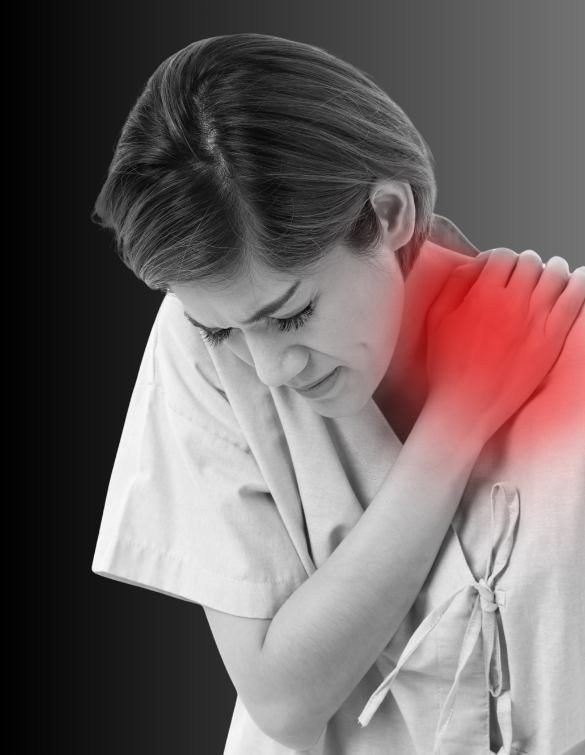
Benefits of Labrum Reconstruction:
Rebuilding the shoulder's natural support system.
-
Restores Stability
Reconstruction helps stabilize the joint when standard labral repair isn’t possible due to extensive damage or previous failed surgeries.
-
Reduces Recurrent Dislocations
A reconstructed labrum helps prevent repeated shoulder slips, especially in young, athletic, or highly active individuals.
-
Minimally Invasive Techniques
Advanced arthroscopic tools ensure smaller incisions, quicker healing, and less post-operative discomfort.
Services Offered
We provide complete care for patients requiring labrum reconstruction, beginning with a thorough shoulder evaluation including clinical tests, X-rays, and MRI scans. If the labral tear is found to be irreparable or if the patient has had prior failed labral surgeries, our orthopedic experts recommend reconstruction using graft-based techniques.
During the procedure, we use minimally invasive arthroscopy to access the shoulder joint and assess the extent of the labral damage. A graft is shaped and fixed securely along the glenoid rim with bio-anchors to replicate the natural cartilage ring. The surgery is typically completed in 1–2 hours under general anesthesia and is often a same-day procedure.
Frequently Asked Questions
To help you better understand your condition and treatment options, we’ve answered some of the most commonly asked questions below.
Labrum reconstruction is considered when the labrum is too damaged to be repaired or when a previous repair has failed.
Repair involves stitching the existing labrum back in place. Reconstruction replaces the damaged labrum with graft tissue.
Full recovery typically takes 4–6 months. Patients begin with immobilization, followed by guided physical therapy.
Yes. Most athletes return to their sports at full capacity after completing the rehabilitation process.