
Joint Construction

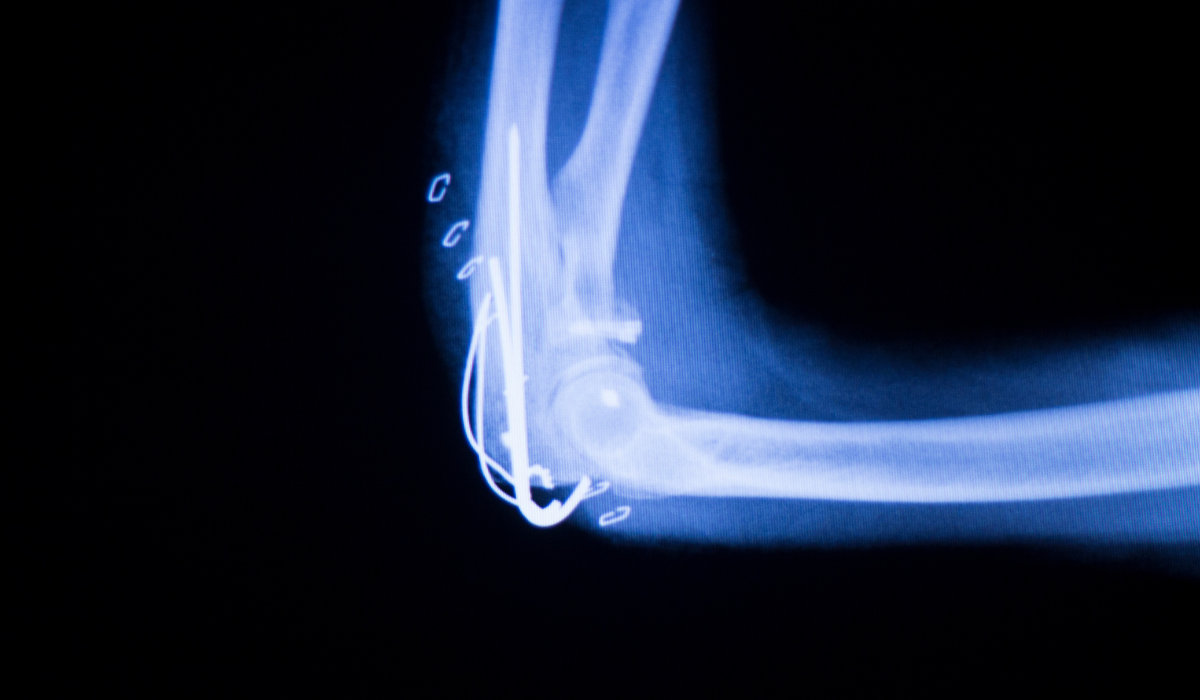
Elbow Joint Construction
The elbow joint is a complex hinge joint formed where three bones meet: the humerus (upper arm bone), the radius, and the ulna (both forearm bones). This joint allows for two types of movement — flexion and extension (bending and straightening) as well as rotation of the forearm. Stabilized by muscles, tendons, ligaments, and cartilage, the elbow plays a crucial role in everyday tasks like lifting, throwing, and rotating the arm.
Healthy functioning of the elbow depends on smooth interaction between its components. When any part—such as cartilage, bone, or ligament—gets damaged due to trauma, overuse, or arthritis, it can result in pain, stiffness, and limited mobility. Understanding the structure of the elbow is essential to diagnosing and treating joint issues effectively.
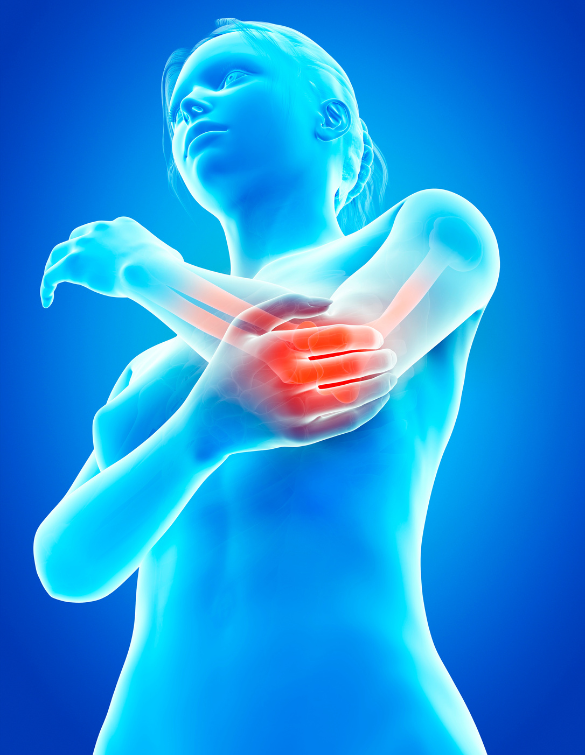
Benefits of Elbow Joint Construction:
Less invasive, more precise, faster recovery.
-
Complex Hinge Mechanism
Hinge-type synovial joint formed by the humerus, radius, and ulna bones, allowing for bending and straightening of the arm.
-
Stabilized by Ligaments & Muscles
Strong ligaments like the ulnar collateral and radial collateral, along with surrounding muscles, provide stability and control for movement.
-
Smooth Cartilage for Easy Motion
Articular cartilage covers the bone ends, reducing friction and allowing smooth, pain-free joint motion during everyday tasks.
Services Offered
Our orthopedic team provides a comprehensive range of elbow-related services, from accurate diagnosis to advanced surgical interventions. Whether you are dealing with repetitive strain injuries, elbow fractures, ligament tears, or joint degeneration, our clinic is equipped to offer personalized treatment plans that meet your needs. We prioritize minimally invasive techniques like arthroscopy to minimize pain and reduce recovery time.
In addition to surgical treatments, we also provide post-operative rehabilitation and physiotherapy to help restore mobility and strength. From sports-related injuries to chronic joint pain, our elbow care services are focused on helping patients return to their daily activities with confidence and comfort.
Frequently Asked Questions
To help you better understand your condition and treatment options, we’ve answered some of the most commonly asked questions below.
The elbow joint is formed by three bones — the humerus (upper arm bone), and the radius and ulna (forearm bones). These bones work together to allow flexion, extension, and rotation of the forearm.
The elbow acts like a hinge, enabling the arm to bend and straighten. It also allows for forearm rotation thanks to the unique articulation between the radius and ulna.
Ligaments such as the ulnar and radial collateral ligaments, along with surrounding muscles and tendons, help stabilize the joint and ensure smooth movement.
Yes, injuries, overuse, arthritis, or trauma can damage the bones, cartilage, or soft tissues around the elbow, potentially leading to pain, stiffness, or instability.