
Hip Cartilage Repair

Hip Cartilage Repair
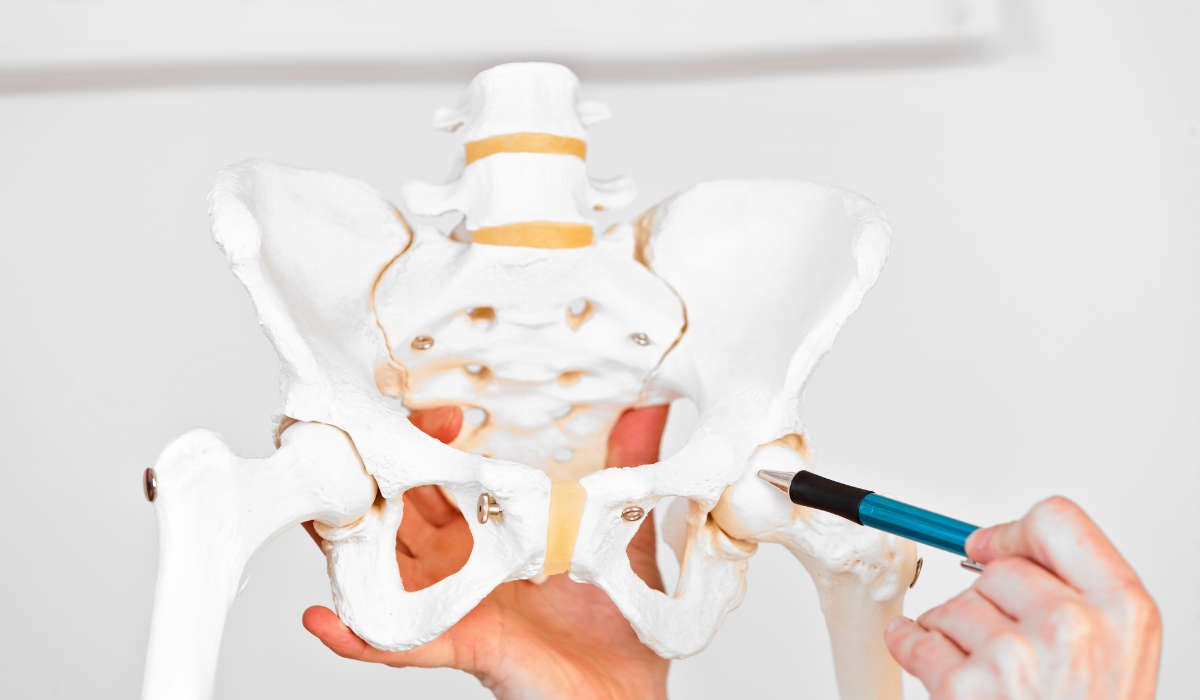
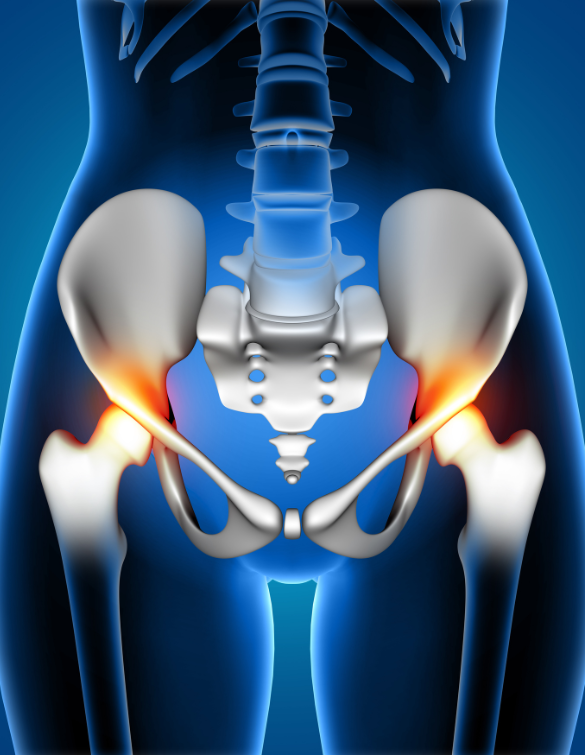
Cartilage damage in the hip joint can result from injury, overuse, aging, or structural problems like femoroacetabular impingement (FAI). Since cartilage doesn’t heal easily on its own, untreated damage can lead to persistent hip pain, stiffness, and early-onset arthritis. Hip cartilage repair aims to restore the smooth surface of the joint, relieve symptoms, and improve movement. This treatment is essential for maintaining long-term joint health—especially in active individuals.
Cartilage lesions may appear as softening, flaking, or full-thickness defects in the joint lining. These often go unnoticed until they cause pain during walking, squatting, or rotation of the hip. Using arthroscopic techniques, surgeons can identify the damaged area and apply a suitable repair strategy. Techniques include microfracture (stimulating new cartilage growth), debridement (smoothing frayed cartilage), or cartilage grafting using autologous or synthetic materials. The goal is to protect the joint from further degeneration and maintain active function.
Benefits of Hip Cartilage Repair:
Effective strategies to preserve your joint and prolong hip health.
-
Pain Relief and Improved Function
Repairing damaged cartilage reduces inflammation and restores smooth motion.
-
Minimally Invasive Arthroscopy
Performed through tiny incisions, reducing muscle damage, scars, and downtime.
-
Slows Down Joint Degeneration
Early repair prevents wear and tear from spreading, delaying the onset of osteoarthritis.
Services Offered
We offer advanced diagnostic and surgical care for patients suffering from hip cartilage injuries. Evaluation begins with a thorough clinical exam and imaging—MRI or MR arthrograms help determine the size, depth, and location of the cartilage lesion. If the damage is minor, non-surgical options like physiotherapy and anti-inflammatory medications may be tried first. For larger or symptomatic lesions, arthroscopic cartilage repair is recommended.
The procedure is performed under general or spinal anesthesia. Using arthroscopy, the surgeon evaluates the damaged cartilage and selects the appropriate repair technique. For smaller defects, microfracture is used to stimulate new cartilage growth. In other cases, cartilage transfer or scaffold-based regeneration may be applied. The aim is to restore joint surface smoothness and prevent future wear.
Frequently Asked Questions
To help you better understand your condition and treatment options, we’ve answered some of the most commonly asked questions below.
It may be caused by trauma, overuse, structural abnormalities like FAI, or degeneration with age.
Yes, repairing cartilage early helps maintain joint health and can delay or prevent osteoarthritis.
No, it is usually performed using minimally invasive arthroscopy, which reduces recovery time.
Microfracture involves creating tiny holes in the bone beneath damaged cartilage to stimulate the growth of new cartilage-like tissue.