
Shoulder Fracture

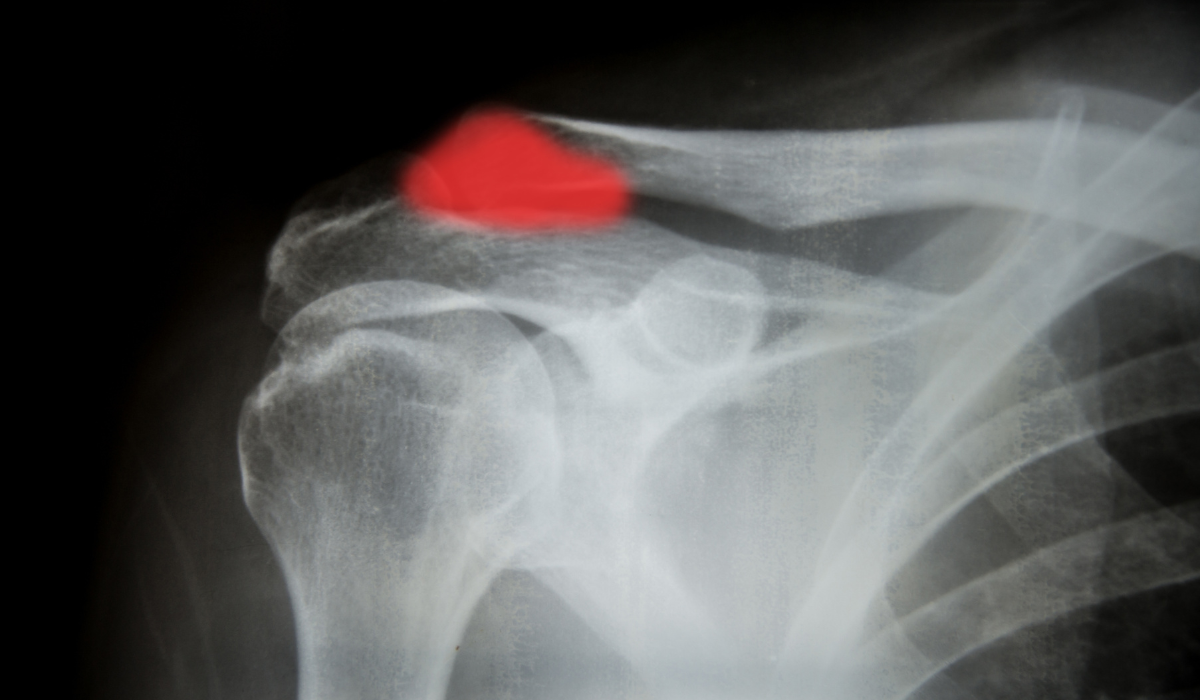
Shoulder Fracture
The shoulder is a sophisticated joint made up of the scapula (shoulder blade), the humerus (upper arm bone), and the clavicle (collarbone). Various muscles, ligaments, and tendons surround all these bones. The shoulder is the most mobile joint which allows you to place your arm and hands in a variety of positions. As the most mobile joint, it is highly prone to injuries and problems.
A fractured shoulder or broken shoulder can be either displaced or non-displaced. When the broken pieces are still in their anatomic position, it is described as a non-displaced fracture. Displaced shoulder fracture requires restoring the shoulder to its normal anatomy. Proximal humerus fracture, fractured scapula, and fractured clavicle are the different types of shoulder fractures.
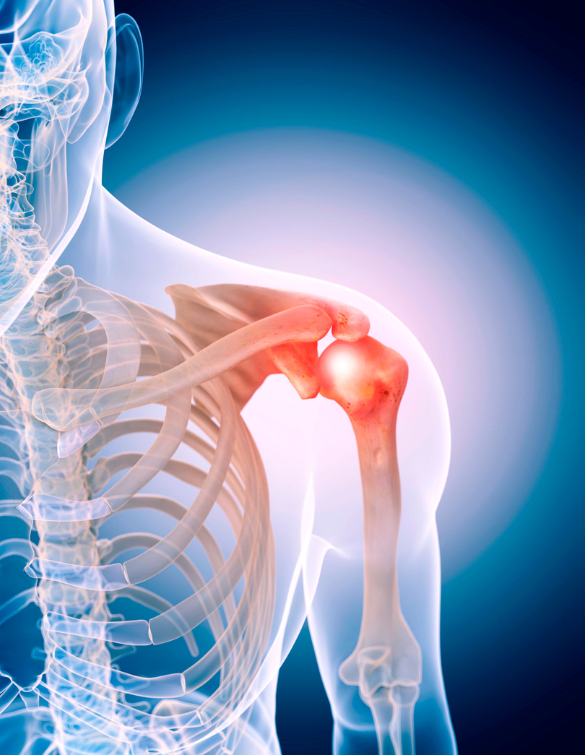
Symptoms of a Fractured Shoulder:
A fractured shoulder presents with several noticeable symptoms that usually occur immediately after the injury and worsen over time if untreated.
-
Shoulder Pain
Pain is usually sharp, stabbing, or severe, especially after a fall or direct hit.
-
Swelling
Caused by inflammation and internal bleeding near the fracture.
-
Tenderness
Indicates local tissue damage and inflammation around the broken bone.
Shoulder Fracture Treatment
Shoulder fractures are the traumatic events resulting from a fall on the shoulder, accidents, contact sports, etc. The shoulder is a complex joint connecting the upper end of the humerus with glenoid (socket of capsule). Any disturbing event or rupture in these parts results in fractures and can affect the functioning of the shoulder.
Once your diagnosis is confirmed, the doctor will discuss the treatment options that best fit you. However, the treatment options vary depending on the type and severity of the fracture.
Frequently Asked Questions
To help you better understand your condition and treatment options, we’ve answered some of the most commonly asked questions below.
Symptoms include sudden shoulder pain, swelling, bruising, visible deformity, and inability to lift or rotate the arm.
Not all. Minor fractures may heal with rest and immobilization, but displaced or complex fractures often need surgery.
It depends on the severity. Simple fractures may heal in 6–8 weeks; surgical cases may require 3–4 months with rehab.
With timely care and consistent physiotherapy, most patients recover full or near-full shoulder function.