
Elbow Arthroscopy

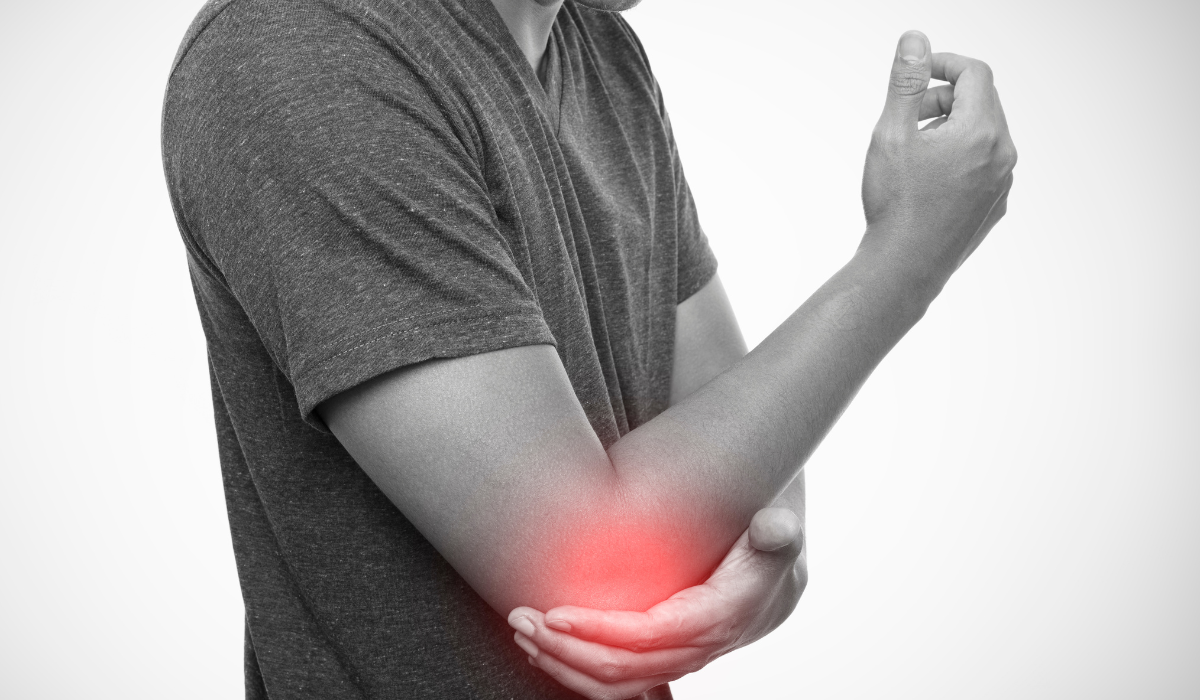
Elbow Arthroscopy
Elbow arthroscopy is a minimally invasive surgical procedure used to diagnose and treat various conditions affecting the elbow joint. It involves inserting a small camera (arthroscope) through tiny incisions to view the inside of the joint. This technique enables orthopedic surgeons to identify and repair damage such as loose bone fragments, inflamed tissue, cartilage injuries, or bone spurs—without the need for large incisions.
The elbow is a complex hinge joint, and when it is affected by conditions like arthritis, tennis elbow, stiffness, or recurrent locking, arthroscopy can provide an effective treatment solution. Compared to open surgery, arthroscopy offers less disruption to muscles and soft tissues, resulting in faster recovery and fewer complications. It is often performed as an outpatient procedure, allowing patients to return home the same day.
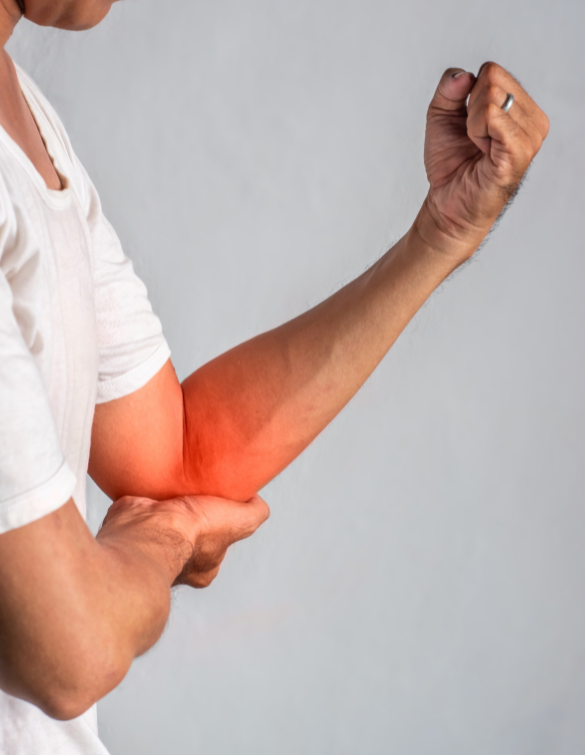
Benefits of Elbow Arthroscopy:
Less invasive, more precise, faster recovery.
-
Minimally Invasive Procedure
Tiny incisions reduce tissue trauma, scarring, and recovery time.
-
Faster Recovery & Early Mobilization
Most patients can begin movement exercises shortly after surgery and return to normal activity within weeks.
-
Precise Diagnosis & Treatment
High-definition visualization allows surgeons to directly assess and correct problems within the elbow.
Services Offered
We offer comprehensive elbow arthroscopy services that begin with a detailed clinical evaluation and advanced imaging like MRI or diagnostic ultrasound to confirm joint pathology. Based on the diagnosis, our orthopedic surgeons plan the arthroscopic approach that best addresses the patient’s needs.
Common procedures include removal of loose bodies, synovectomy (removal of inflamed joint lining), capsular release (for stiffness), debridement of bone spurs, and tendon repair (such as for tennis elbow or golfer’s elbow). All surgeries are performed using advanced equipment in sterile, minimally invasive settings to ensure safety and precision.
Frequently Asked Questions
To help you better understand your condition and treatment options, we’ve answered some of the most commonly asked questions below.
It is used to treat arthritis, stiffness, tennis elbow, bone spurs, loose bodies, and tendon injuries.
It involves minimal discomfort. Most patients experience manageable pain controlled by medication and recover faster than with open surgery.
Typically, the procedure lasts 30–90 minutes depending on the condition being treated.
Light activities can resume in 1–2 weeks. Full recovery, including return to sports or manual labor, may take 4–8 weeks with therapy.