
Hip and Groin Pain

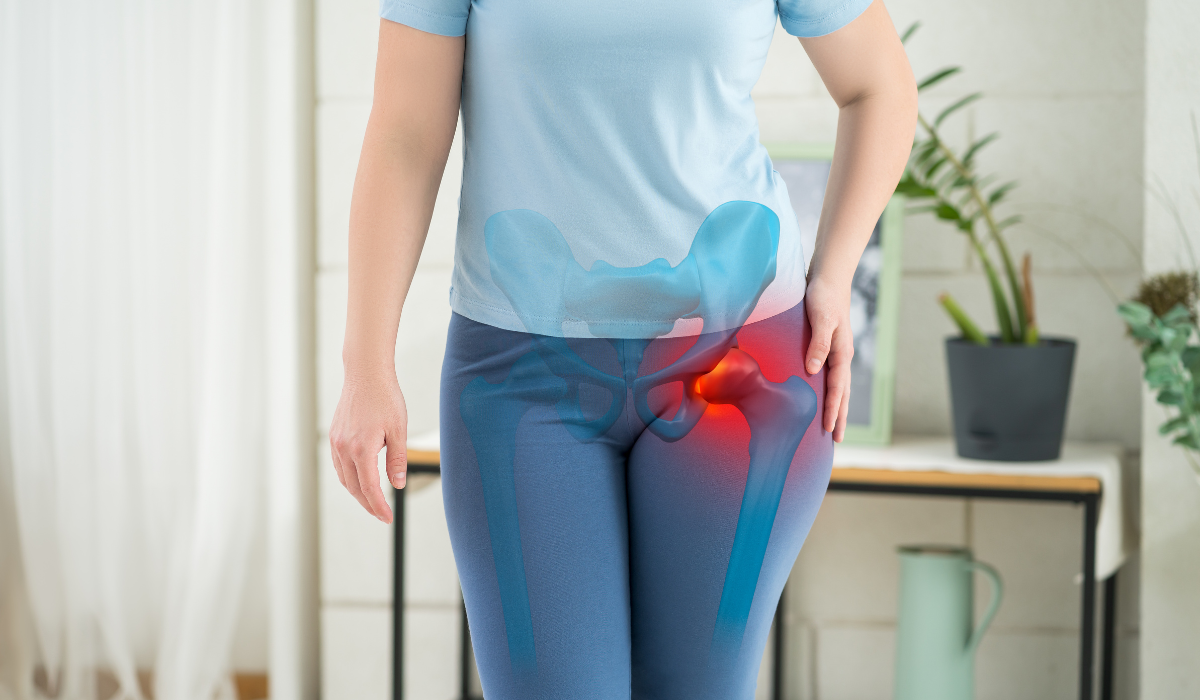
Hip and Groin Pain
Hip and groin pain can significantly affect mobility, comfort, and quality of life. These types of pain may develop gradually or suddenly, depending on the underlying cause. Common causes include muscle strains, ligament sprains, and overuse injuries, especially in athletes.
Structural issues like hip impingement, labral tears, hernias, and even conditions such as osteoarthritis or bursitis are also frequent culprits. In some cases, groin pain may originate from issues in the hip joint, pelvis, or lower back, making diagnosis complex without expert evaluation. Poor posture, sudden twisting movements, or direct trauma to the pelvic area can also trigger or worsen these conditions. Left untreated, hip and groin pain may become chronic, severely limiting one’s range of motion and ability to perform daily activities.
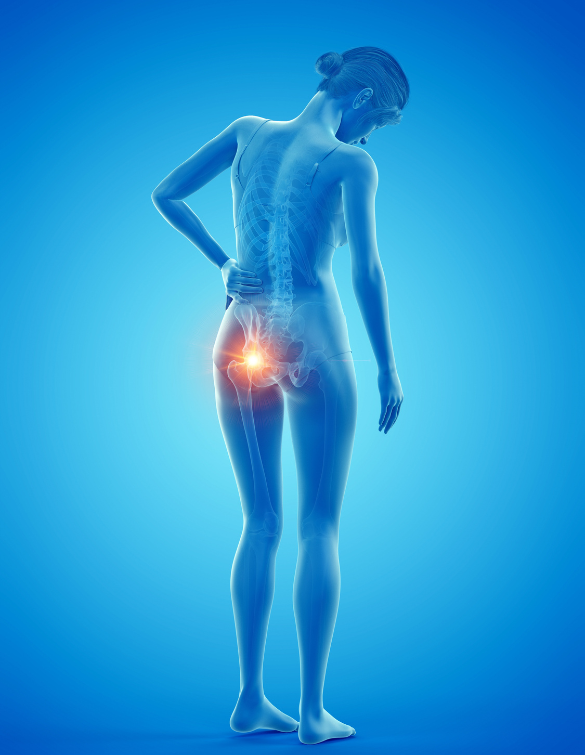
Major Causes of Hip and Groin Pain:
Hip and Groin Pain can significantly disrupt daily life, affecting everything from mobility to sleep quality.
-
Muscle or Tendon Strain
Overuse or sudden movements can strain the hip flexors, adductors, or surrounding tendons, leading to pain during walking or physical activity.
-
Hernias
Weakness in the abdominal wall can lead to hernias that cause sharp groin discomfort, especially during exertion or lifting.
-
Hip Labral Tear
Injuries or repetitive motion can damage the cartilage or labrum in the hip joint, causing deep groin pain, stiffness, or clicking sensations.
Services Offered
We provide comprehensive evaluation and treatment for hip and groin pain tailored to each patient’s condition and lifestyle. Our services begin with expert orthopedic consultations, detailed physical assessments, and advanced imaging techniques like X-rays, MRIs, and ultrasound to accurately diagnose the root cause of the pain. Whether the problem stems from muscular strain, joint issues, or nerve compression, we ensure a precise and holistic approach to care.
Our non-surgical treatments include targeted physical therapy, postural correction exercises, manual therapy, and guided rehabilitation programs designed to restore flexibility, strength, and function. We also offer image-guided injections such as corticosteroids or platelet-rich plasma (PRP) therapy to reduce inflammation and pain. For patients with chronic or severe cases, we provide minimally invasive surgical solutions including hip arthroscopy, labral repair, or hernia correction, depending on the diagnosis.
Frequently Asked Questions
To help you better understand your condition and treatment options, we’ve answered some of the most commonly asked questions below.
Hip and groin pain can result from muscle strain, arthritis, labral tears, hernias, or nerve-related conditions. Overuse injuries, aging, and poor posture are frequent contributors. A proper diagnosis is essential to treat the specific cause effectively.
You should consult a specialist if the pain is persistent, worsening, or affecting your ability to walk, sit, or perform daily activities. If you experience swelling, bruising, or a popping sensation, early evaluation can prevent complications.
Yes, many cases are successfully treated with non-surgical methods like physical therapy, medications, guided injections, and lifestyle modifications. Surgery is only considered for more serious injuries or if conservative treatments fail.
Not always. While the hip joint can refer pain to the groin, other issues like hernias, pelvic problems, or spinal nerve compression can also cause groin discomfort. A thorough clinical assessment helps determine the exact source.