
Tennis Elbow Surgery

Tennis Elbow Surgery
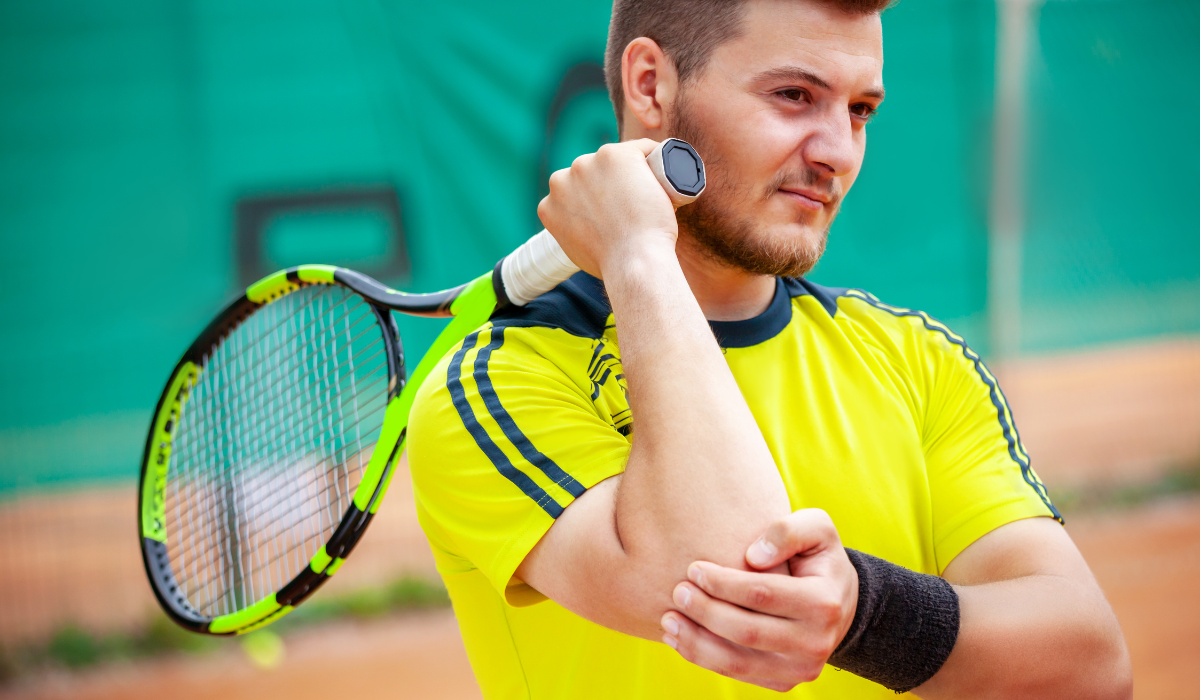
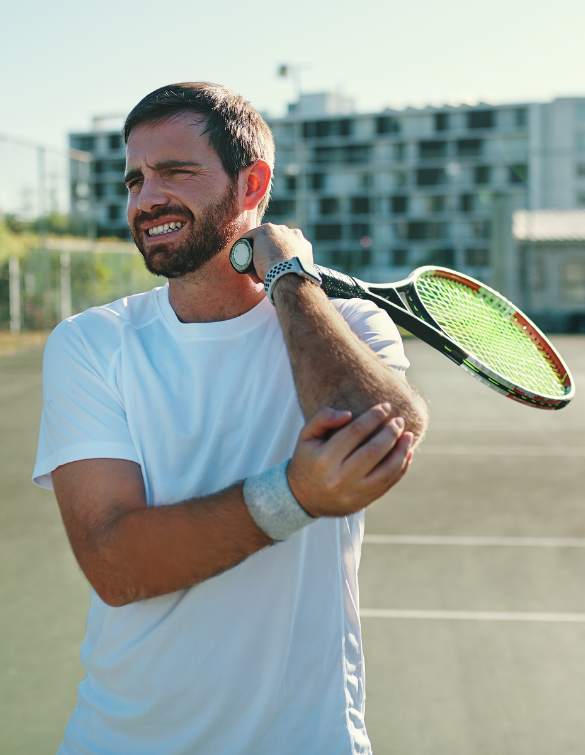
Tennis elbow (lateral epicondylitis) is a painful condition caused by overuse or strain of the forearm muscles that attach to the outer part of the elbow. It results in inflammation, micro-tears, or degeneration of the extensor carpi radialis brevis (ECRB) tendon. Despite its name, tennis elbow is not exclusive to athletes; it can affect anyone who repeatedly uses the forearm—especially during gripping, lifting, or twisting activities.
When conservative treatments like rest, physical therapy, medications, or steroid injections fail to relieve symptoms over 6–12 months, surgical intervention may be recommended to remove the damaged tissue and restore function.
Benefits of Tennis Elbow Surgery:
-
Pain Relief and Functional Recovery
Removes damaged tendon tissue, significantly reducing chronic pain and restoring arm strength and mobility.
-
Restoration of Grip and Arm Strength
Improves forearm and wrist strength, enabling better performance in daily activities, sports, and work-related tasks.
-
Minimally Invasive Surgical Techniques
Arthroscopic or small-incision approaches minimize scarring, reduce soft tissue damage, and promote faster healing.
-
Prevention of Further Degeneration
Prevents worsening of tendon damage and reduces the risk of long-term disability or loss of elbow function.
Services Offered
Our orthopedic team offers comprehensive care for patients dealing with chronic tennis elbow. The process begins with an in-depth clinical evaluation and imaging studies such as MRI or ultrasound to confirm the diagnosis and assess the condition of the tendon. We discuss all non-surgical and surgical options with the patient, helping them make informed decisions based on their goals and daily needs.
We perform both open and arthroscopic procedures depending on the severity and complexity of the condition. Our techniques focus on precision, minimal tissue damage, and effective healing. If necessary, we address associated issues like joint inflammation or bony irregularities during the same procedure to ensure complete elbow health.
Frequently Asked Questions
To help you better understand your condition and treatment options, we’ve answered some of the most commonly asked questions below.
If symptoms persist after 6–12 months of non-surgical treatments and affect daily life or work, surgery may be advised.
It can be performed under general or regional (arm block) anesthesia, depending on patient preference and procedure type.
Most patients resume regular activities in 3–6 months. Full recovery depends on the individual and their rehabilitation progress.
Yes, most patients experience permanent relief from pain and significantly improved elbow function.