
Ligament Reconstruction

Ligament Reconstruction
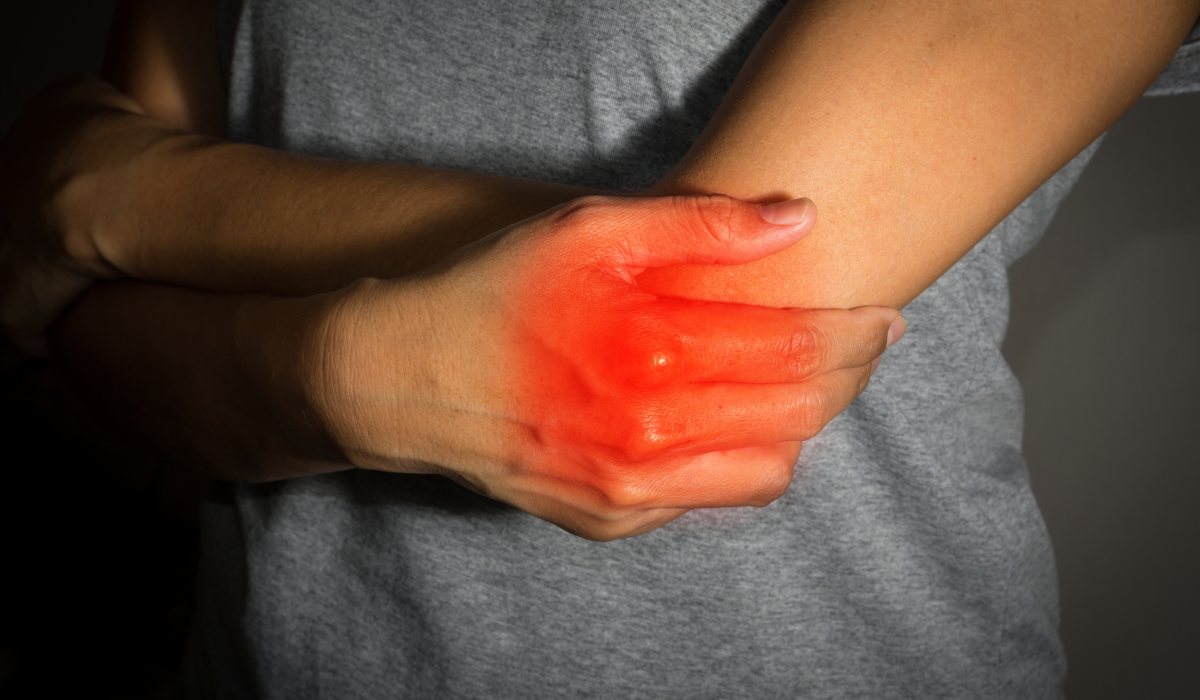
Ligament reconstruction is a surgical procedure used to restore stability and strength to a joint after a ligament has been torn or severely damaged, most commonly in the knee, ankle, elbow, or shoulder. Ligaments are tough bands of connective tissue that link bones together and help control joint movement. When these ligaments are overstretched or torn—due to trauma, sports injuries, or degenerative wear—surgical intervention may be required to restore full function.
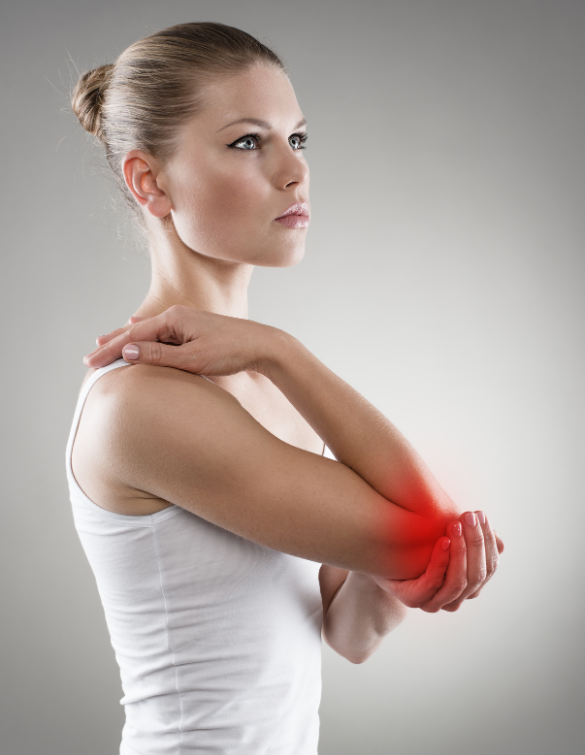
The most commonly reconstructed ligaments include the ACL (anterior cruciate ligament) in the knee, PCL (posterior cruciate ligament), MCL, and UCL (ulnar collateral ligament) in the elbow. Reconstruction typically involves replacing the damaged ligament with a graft, which can be taken from the patient's own body (autograft) or from a donor (allograft). The procedure helps restore joint stability, reduce pain, and prevent further injury or long-term degeneration.
Benefits of Ligament Reconstruction:
Reliable recovery with modern surgical techniques.
-
Restoration of Joint Stability
Replaces the torn ligament to support proper joint alignment and movement.
-
Improved Function & Mobility
Reduces instability, pain, and allows a return to daily and athletic activities.
-
Prevention of Joint Damage
Helps prevent further injuries, cartilage wear, and arthritis caused by instability.
Services Offered
We provide specialized ligament reconstruction services for both acute injuries and chronic joint instability. Our care begins with a thorough clinical evaluation, imaging tests (like MRI), and customized treatment planning. Depending on the injury, we offer ACL, PCL, UCL, or multi-ligament reconstructions, tailored to the patient's age, activity level, and specific joint function.
Surgeries are performed using arthroscopic-assisted reconstruction, where small instruments and a camera are used to guide the procedure. This ensures precise placement of the graft and minimal disruption to surrounding tissues. We use high-quality autografts or allografts, with strong fixation devices to ensure proper healing and long-term durability.
Frequently Asked Questions
To help you better understand your condition and treatment options, we’ve answered some of the most commonly asked questions below.
ACL (knee), PCL (knee), MCL (knee), UCL (elbow), and ligaments of the ankle and shoulder.
If you have recurrent joint instability, pain, or limited function after a ligament injury that hasn’t improved with physiotherapy, surgery may be recommended.
Typically 4–9 months, depending on the ligament involved and the individual’s rehab progress.
Yes, when done correctly with proper rehab, it offers long-term joint stability and function.