
PCL Reconstruction

PCL Reconstruction
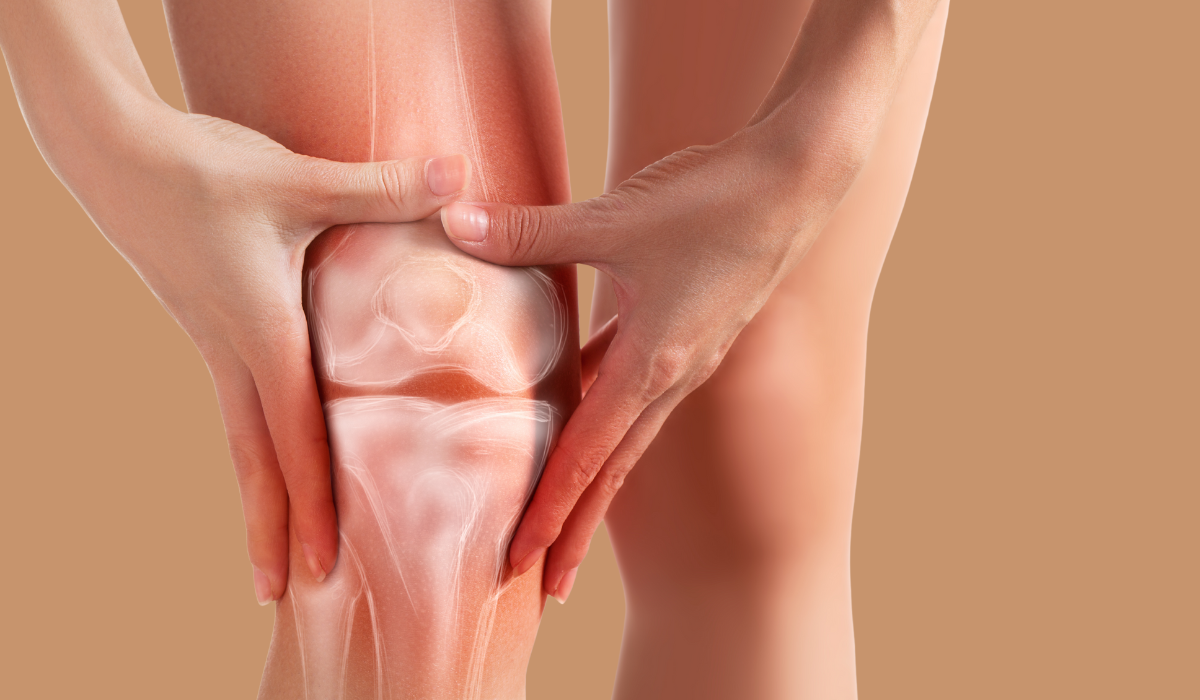
The Posterior Cruciate Ligament (PCL) is one of the key ligaments that stabilizes the knee joint, located behind the ACL. While PCL injuries are less common than ACL tears, they can be just as serious, particularly when left untreated. PCL injuries usually result from high-impact trauma such as car accidents, sports tackles, or falls onto a bent knee. When the PCL is torn, the shinbone can shift backward, leading to instability, difficulty walking, and long-term joint damage.
In PCL reconstruction, the damaged ligament is replaced with a tendon graft taken from the patient (autograft) or a donor (allograft). The surgery is typically performed arthroscopically through small incisions, using a camera and instruments inserted into the knee. This allows precise repair with minimal tissue damage. Recovery from PCL reconstruction requires a structured rehabilitation program, especially since this ligament plays a major role in weight-bearing and backward motion.
Benefits of PCL Reconstruction:
PCL reconstruction provides structural repair and long-term joint protection.
-
Restores Posterior Stability
Prevents backward shifting of the shinbone and improves knee control.
-
Protects Joint from Long-Term Damage
Reduces wear on cartilage and prevents early-onset arthritis due to instability.
-
Improves Walking and Weight-Bearing
Restores normal gait and strengthens the ability to climb stairs or kneel.
Services Offered
Our PCL reconstruction services begin with a detailed diagnostic evaluation, including physical exams, MRI imaging, and joint stability tests. We assess whether the injury is isolated or part of a multi-ligament injury, and then plan the surgery accordingly. For partial tears, conservative management with bracing and physiotherapy may be suggested, while full tears usually require surgical reconstruction.
The surgical process involves replacing the torn PCL with a graft that is precisely positioned and fixed using modern techniques. Our surgeons use advanced arthroscopic equipment to reduce tissue trauma, maintain anatomical alignment, and promote natural healing. For chronic or high-grade tears, we also correct joint mechanics or address cartilage damage during the same procedure.
Frequently Asked Questions
To help you better understand your condition and treatment options, we’ve answered some of the most commonly asked questions below.
Surgery is needed when the ligament is completely torn, especially if instability persists or if other knee ligaments are also injured.
Both replace torn ligaments, but PCL surgery is technically more complex due to the ligament's location at the back of the knee.
Yes, but crutches and a knee brace will be required initially. Weight-bearing is gradually increased over several weeks.
Full recovery usually takes 6–9 months, depending on the severity of the injury and adherence to rehabilitation.